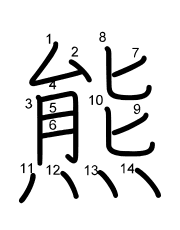
こうした熊独特の特徴が、熊が動かずに狩猟すること(アザラシの呼吸孔の脇でじっと動かず、アザラシが海面に上がってくるのを待つ)を好む説明になっている。
These special characteristics explain its preference for still-hunting (lying motionless beside a seal's breathing hole, waiting for one to surface).
Độ khóLớp 7 (THCS)
Từ chính動く
Trợ từが
実のところ、いかなるスピードで移動するにせよ、北極熊は他のおおかたの哺乳動物の2倍のエネルギーを消費する。
In fact, to move at any speed the polar bear uses twice as much energy as do most other mammals.
Độ khóLớp 9 (THCS)
Từ chính移動
Trợ từで
アザラシは夜にいっそう頻繁に浮上してくるのだから、熊がアザラシを呼吸孔のところで捕まえる可能性は夕暮れ以降により高くなるのである。
The seals surface more frequently then, so a bear's chance of catching one at a breathing hole is greater after nightfall.
Độ khóTrên THPT
Từ chính浮上
Trợ từに
こうした熊独特の特徴が、熊が動かずに狩猟すること(アザラシの呼吸孔の脇でじっと動かず、アザラシが海面に上がってくるのを待つ)を好む説明になっている。
These special characteristics explain its preference for still-hunting (lying motionless beside a seal's breathing hole, waiting for one to surface).
Độ khóLớp 7 (THCS)
Từ chính狩猟
Trợ từに
北極熊は極地の氷原に住んでいるのだが、生息地を失い、絶滅するであろう。
The polar bear, which lives on the polar ice-cap, will lose its home and die out.
Độ khóTrên THPT
Từ chính失う
Trợ từを
実のところ、いかなるスピードで移動するにせよ、北極熊は他のおおかたの哺乳動物の2倍のエネルギーを消費する。
In fact, to move at any speed the polar bear uses twice as much energy as do most other mammals.
Độ khóLớp 9 (THCS)
Từ chính消費
Trợ từを
比較的活動していない状態で、風にさらされていなければ、熊は寒い天候においても余分なエネルギーを消費することはない。
As long as a bear is relatively inactive, and is not exposed to wind, it does not burn excessive energy in cold weather.
Độ khóTrên THPT
Từ chính消費
Trợ từを
北極熊は、生きていくために体を適温に保ち、数日か数ヶ月もあくかもしれない食事の間持ちこたえられるだけの十分なエネルギーを蓄えねばならない。
To survive, the polar bear must keep its body at the right temperature and store enough energy to last between meals that could be a few days or a few months apart.
Độ khóLớp 9 (THCS)
Từ chính蓄える
Trợ từを
彼は小熊を連れ去り、振り返らずに山を駆け上がった。
He took her cubs, and ran up the mountain without looking back.
Độ khóLớp 11 (THPT)
Từ chính連れ去る
Trợ từを
第四に、小熊を連れ去ることに成功しても、私たちは休憩をせずに山を駆け上がることができるだろうか。
In the fourth place, even if we succeeded in carrying off the bear cubs, we could not run up a mountain without stopping to rest.
Độ khóLớp 8 (THCS)
Từ chính連れ去る
Trợ từを
一緒に行こう。私たちは川を泳いでわたって、熊の子を連れ去り、熊の子を連れて山の家へ行き、一緒に幸せを見つけることができる。
Let us go together. We can swim across the river, carry off the bear cubs, take them to the house on the mountain, and together find happiness.
Độ khóLớp 6 (Tiểu học)
Từ chính連れ去る
Trợ từを