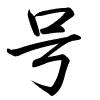
N3Tiểu học 3Tần suất: #352
Số nét5 nét
Thuộc bộ thủ
Loại chữCompound ideograph
Cấu trúc

Thứ tự nét & Thư pháp
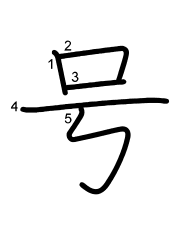
Thứ tự nét chữ 号

Sơ đồ thứ tự viết các nét chữ Kanji.
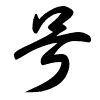
Biến thể Thư pháp cổ phong
Hành thưHành thư
Thảo thưThảo thư
Triện thưTriện thư

Thông số Unicode & Kỹ thuật

Unicode HexU+53F7
Unicode Decimal21495
Mã Braille (6 chấm)⠨⠔⠚
Mã Braille Kantenji⠷⢺

Đa ngôn ngữ & Biến thể

Phiên âm Pinyin tiếng Trungháo,hào
Phiên âm Hangul tiếng Hàn
Phiên âm Hán Việthiệu, hào
Giản thể
Phồn thể

Phiên âm Hán Việt

hiệu, hào
Các ý nghĩa đầy đủnickname; number; item; title; pseudonym; name; call; designation; sign
Ý nghĩa chính thường dùngnickname; number; designation; sign

Cách đọc

Âm On Katakana

ゴウ

Chi tiết: ゴウ(呉)、コウ(漢)

Thống kê tần suất dùng:ゴウ(100%)

Âm Kun Hiragana

None

Chi tiết: さけ(ぶ)、よびな

Phân tích cấu trúc & Bộ phận

Thành phần cấu tạo
Từ các bộ thủ
Là thành phần trong các chữ Kanji khác

Câu ví dụ minh họa

(らいげつ)(ごう)から(しん)(れんさい)(しょうせつ)(はじ)まります。

A new serial will begin in next month's issue.

Độ khóLớp 8 (THCS)
Từ chính始まる
Trợ từ
(げんごう)(あらた)まりました。

The name of the era has been renewed.

Kanji trong câu
Độ khóLớp 8 (THCS)
Từ chính改まる
Trợ từ
(からだ)()れられたとき(はだ)(かんかく)(きかん)(のう)(しんごう)(おく)り、エンドルフィンのような(かがく)(ぶっしつ)(ほうしゅつ)される。

When the body is touched, receptors in the skin send messages to the brain causing the release of chemicals such as endorphins.

Độ khóLớp 12 (THPT)
Từ chính放出
Trợ từ
これはつまり、(わたし)たちがどんな(じょうきょう)(ちかく)する(ばあい)でも、(わたし)たちの(ちかく)は、その(とき)(ごかん)(ちかく)する(しんごう)だけに(いぞん)しているわけではないということである。

Which means that our perception of any situation depends only partly on sensory signals being received at that time.

Độ khóTrên THPT
Từ chính知覚
Trợ từ
(しんごう)(あか)だったのに、あの(くるま)()()んできたんです。

Even though the light was red, that car just drove right through.

Kanji trong câu
Độ khóLớp 7 (THCS)
Từ chính突っ込む
Trợ từ
タクシーは(しんごう)のところで(きゅうていしゃ)した。

The taxi stopped dead at the traffic signal.

Kanji trong câu
Độ khóLớp 6 (Tiểu học)
Từ chính急停車
Trợ từ
(あかしんごう)()まりましたか。

Did you stop at the red light?

Kanji trong câu
Độ khóLớp 4 (Tiểu học)
Từ chính止まる
Trợ từ
タイタニック(ごう)(しょじょ)(こうかい)(ちんぼつ)した。

The Titanic sunk on its maiden voyage.

Kanji trong câu
Độ khóLớp 9 (THCS)
Từ chính沈没
Trợ từ
スパイは(じょうほう)(あんごう)(おく)った。

The spy sent information by code.

Kanji trong câu
Độ khóLớp 7 (THCS)
Từ chính送る
Trợ từ
1989(ねん)(いちがつ)(しょうわ)(てんのう)(ぼつご)(ねんごう)が「(へいせい)」と(あらた)まりました。

The emperor passed away in January of 1989. Therefore, the name of the era changed from Showa to Heisei.

Độ khóLớp 8 (THCS)
Từ chính改まる
Trợ từ
(せんちょう)(むせん)(つうしん)()(そうなん)(しんごう)()つように(めいれい)した。

The ship's captain ordered the radio operator to send a distress signal.

Độ khóLớp 7 (THCS)
Từ chính命令
Trợ từ
(どうじつ)にアポロ11(ごう)(げつめん)(ちゃくりく)(せいこう)した。

On the same day, Apollo 11 succeeded in landing on the moon's surface.

Độ khóLớp 10 (THPT)
Từ chính成功
Trợ từ
(せかい)(はつ)(じんこうえいせい)はスプートニク1(ごう)で、ロシアにより1957(ねん)()()げられた。

The first artificial satellite was Sputnik 1, launched by Russia in 1957.

Độ khóLớp 11 (THPT)
Từ chính打ち上げる
Trợ từ
ネットワーク()11(じゅういちがつ)(ごう)(けいさい)されていたあなたのレポートを70()コピーし、(わたし)どもの(だいりてん)(くば)ってよろしいですか。

Is it possible to reproduce 70 copies of your report which appeared in the November issue of The Network and distribute them to our agents?

Độ khóLớp 8 (THCS)
Từ chính掲載
Trợ từ
(かれ)(きんむ)(さき)(でんわ)(ばんごう)(じゅうしょ)(わたし)(おし)えた。

He gave me his office telephone number and address.

Độ khóLớp 9 (THCS)
Từ chính教える
Trợ từ